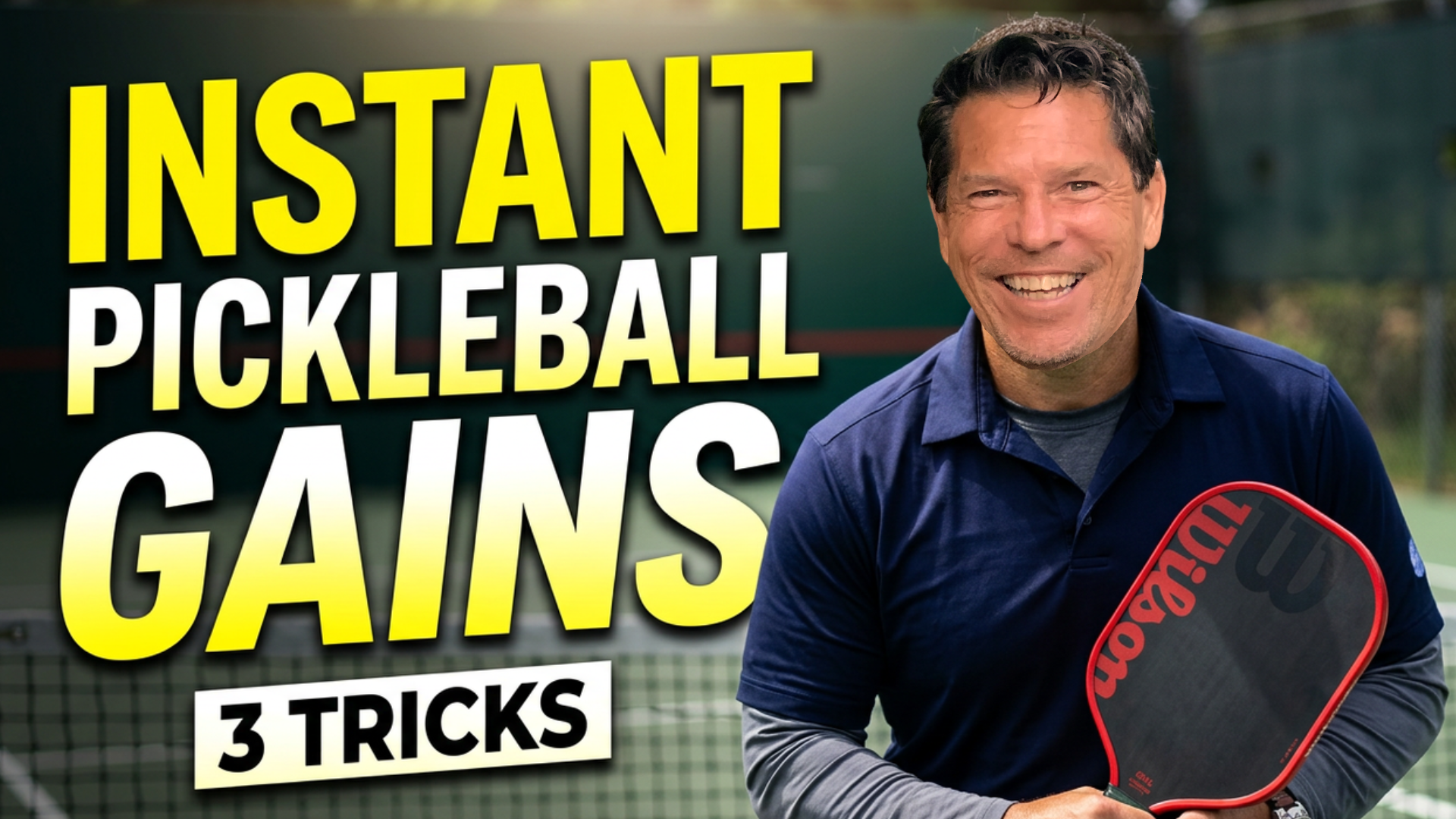
Watch this tennis to pickleball video here: 3 Simple Tricks to Outplay Anyone in Pickleball
Making the switch from tennis to pickleball is one of the most common journeys we see on the court. Naturally, it comes with a few predictable stumbling blocks. In our latest Z Sisters Pickleball video, we welcomed our youngest brother Mike Z — a lifelong tennis pro out of Southern California — onto the courts here in Marin County. It was a friendly, and very informative, crash course in going from tennis to pickleball. What happened next is exactly why so many tennis players struggle when they first pick up a paddle, and exactly how to fix it fast.
===>>>WATCH THIS VIDEO: Ben Johns Teaches YOU the Secrets to Transition From Tennis to Pickleball!
Meet Mike Z: Tennis Pro Turned Pickleball Student
As RSPA Elite Professionals, Carrie and I spend a lot of time teaching players who are transitioning from tennis to pickleball. It’s one of the most common journeys we see on the court, especially among our 55+ community — and it’s a great reminder of the power of picking up a new skill later in life. So when Mike agreed to be our guinea pig for the day, we knew it would be the perfect way to show — not just tell — exactly where tennis habits help, and where they get in the way.
Spoiler alert: Mike picked it up fast. But not before we caught him doing three classic “tennis tells” that almost every convert makes.
Tennis to Pickleball Tip #1: Quiet Your Feet
The first thing we noticed warming up with Mike on some dink shots? His footwork was loud. Literally. Tennis players are trained to move explosively across a 78-foot court. As a result, that often means squeaky shoes and big, aggressive steps.
Pickleball is a different animal. The court is less than a third the size of a tennis court. Because of this, that same explosive footwork becomes a liability, especially at the non-volley zone (the kitchen). So we ran Mike through our Slinky Drill. In this drill, players stay stationed at the kitchen line while their partners hit two shots, then step back gradually, mimicking the accordion motion of a slinky toy. It’s a favorite of ours for building touch and control. At the same time, it trains the body to stay balanced instead of lunging.
By the end of the drill, Mike had traded his squeaky tennis feet for quiet, controlled footwork and a wide, stable base. As he put it himself: he “found his pickleball quiet sounds.”
Tennis to Pickleball Tip #2: Shorten That Backswing
Next up: the dink. Mike’s very first attempts sailed long, and it didn’t take long to diagnose why. He brought a full tennis backswing to a shot that requires almost none.
Here’s the thing about pickleball: because the court is so much shorter, a big backswing generates way more power than the shot calls for. That power has nowhere to go but out of bounds. So our fix was simple: shorter backswing, longer follow-through. We had Mike focus on “setting the paddle” early and relying on placement rather than power.
The transformation was immediate. With one adjustment, Mike’s shots started dropping softly into the kitchen instead of flying past the baseline. As he said afterward, that one tweak “solved all his problems.”
This is one of the most common corrections we make with tennis players. It’s also one of the fastest fixes. So if you’re a tennis convert reading this and your dinks keep sailing long, start here.
Tennis to Pickleball Tip #3: Serve Deep, Serve Legal
The third lesson was all about the serve. This is where tennis habits can actually get pickleball players in trouble with the rules. Many tennis players naturally swing forehand-style, which lifts the paddle head above the wrist at contact. In addition, they often make contact above waist level. Both are faults in pickleball.
We had Mike show us his natural serve. While it had great fluidity, the contact point was a little high. The fix: drop the wrist and bring contact down below the waist. Once he made that adjustment, his serves were not just legal — they were excellent. Consistently, they landed deep enough that we had to stand four to six feet behind the baseline just to return them.
Strategically, this matters more than most new players realize. That’s because a deep serve pushes your opponent’s return further back. As a result, they need extra time to get to the net, which gives you a real advantage on the point.
The Recap: 3 Fixes That Changed Everything
By the end of the session, Mike had gone from a tennis player borrowing pickleball rules to a legitimate pickleball player in his own right. Here are the three tweaks that made the difference:
- Quiet your feet — trade explosive tennis movement for controlled, balanced footwork
- Shorten your backswing — let the smaller court do the work; set the paddle and follow through
- Serve deep — drop your contact point below the waist and aim to push your opponent behind the baseline
If you’re a tennis player making the switch, or coaching one, these are the three places to start. They’re small adjustments. Even so, they make an outsized difference in how fast you start playing like a true pickleball player instead of a tennis player borrowing a smaller court.
Want More Tips Like This?
Grab our free download, The Z Sisters Top 10 Pickleball Tips List, for more senior-friendly strategies you can use on your very next visit to the courts: Get the free guide here
And if you haven’t already, subscribe to the Z Sisters Pickleball YouTube channel for weekly tips built specifically for players 55 and up: Subscribe here
Disclaimer: This video is not sponsored. Some product links are affiliate links, which means we may earn a small commission at no extra cost to you if you make a purchase. As an Amazon Associate, we earn from qualifying purchases. Thank you for supporting the channel!
#PickleballTips #PickleballOver55 #TennisToPickleball #ZSistersPickleball #PickleballStrategy